Soft Washing or Pressure Washing Which Method is Best for Your Home
- CUSHMANPROWASH
- Jul 3
- 4 min read
Keeping your home’s exterior clean is essential for maintaining its appearance and value. When it comes to cleaning, two popular methods stand out: soft washing and pressure washing. Each method has its strengths and is suited for different surfaces and cleaning needs. Choosing the right one can protect your home from damage and ensure a thorough clean.
This post will explore the differences between soft washing and pressure washing, their benefits, drawbacks, and when to use each method. By the end, you will have a clear understanding of which cleaning technique fits your home best.
What Is Pressure Washing?
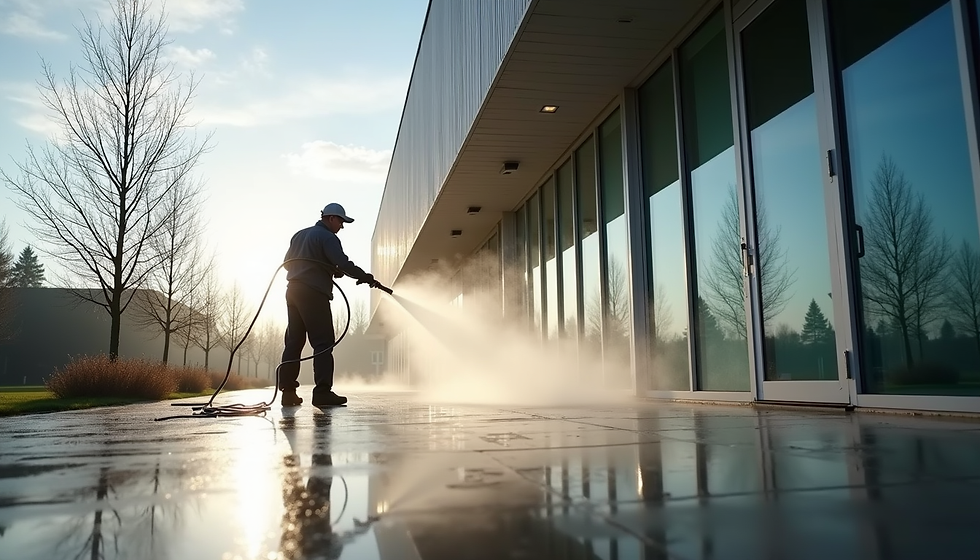
Pressure washing uses a high-powered stream of water to remove dirt, grime, mold, and other buildup from surfaces. The water is sprayed at a high pressure, typically between 1,300 and 3,000 PSI (pounds per square inch), depending on the machine and nozzle used.
How Pressure Washing Works
A motorized pump forces water through a narrow nozzle.
The high-pressure water blasts away contaminants.
It is effective on hard surfaces like concrete, brick, and stone.
Can remove tough stains, paint, and mildew.
Common Uses for Pressure Washing
Cleaning driveways and sidewalks
Removing dirt from decks and patios
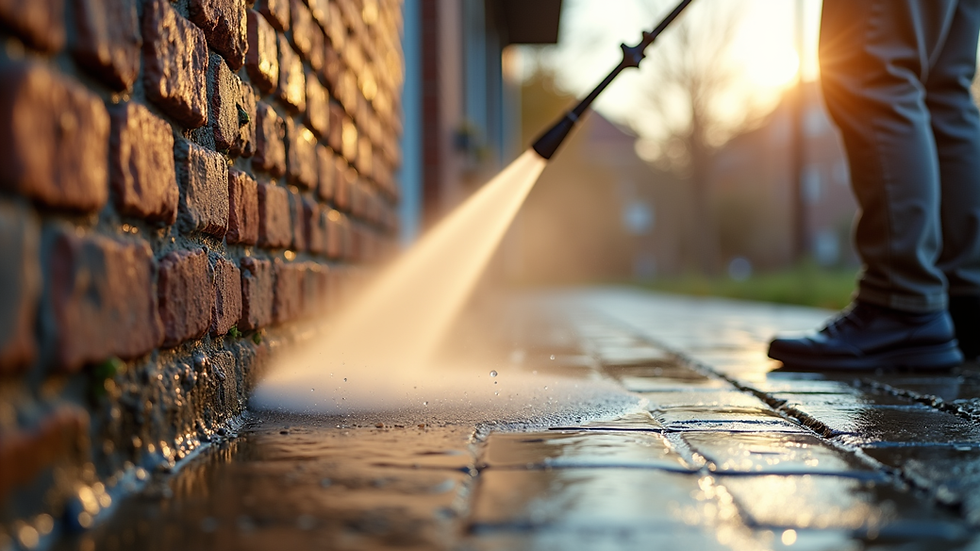
Washing brick or stone walls
Preparing surfaces for painting or sealing
Advantages of Pressure Washing
Quick and powerful cleaning action
Removes stubborn stains and buildup
No chemicals needed, just water
Can restore surfaces to near-new condition
Risks and Limitations
High pressure can damage delicate surfaces like wood siding, shingles, or painted surfaces.
Risk of water intrusion into walls or under siding if not done carefully.
Can strip paint or damage mortar if pressure is too high.
Requires skill to avoid damage.
What Is Soft Washing?
Soft washing uses low-pressure water combined with specialized cleaning solutions to remove dirt, algae, mold, and mildew. The pressure is much lower than pressure washing, usually under 500 PSI, which prevents damage to delicate surfaces.
How Soft Washing Works
Cleaning solutions are applied to the surface.
The solution breaks down organic matter and stains.
Low-pressure water rinses away the loosened dirt and chemicals.
The chemicals often include bleach or other agents safe for exterior cleaning.
Common Uses for Soft Washing
Cleaning roofs, especially asphalt shingles
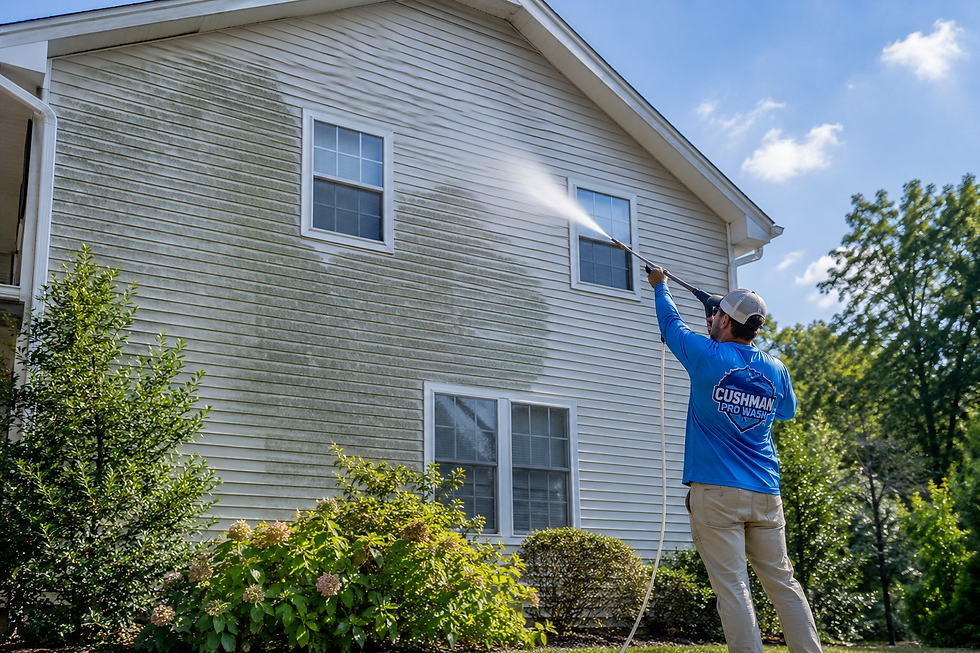
Washing vinyl, wood, or stucco siding
Removing algae and mold from delicate surfaces
Cleaning fences and outdoor furniture
Advantages of Soft Washing
Gentle on surfaces, reducing risk of damage
Effective at killing mold, algae, and mildew at the root
Longer-lasting clean due to chemical treatment
Safer for roofs and painted surfaces
Risks and Limitations
Requires the use of chemicals, which must be handled carefully.
Not as fast as pressure washing for heavy dirt or paint removal.
Chemicals may harm plants or grass if not applied properly.
Needs professional knowledge for correct chemical mix and application.

When to Choose Soft Washing
Soft washing is the best choice when cleaning surfaces that can be damaged by high pressure. For example:
Roofs: Asphalt shingles can lose granules or get damaged by pressure washing. Soft washing removes algae and moss safely.
Vinyl or Wood Siding: High pressure can crack or strip paint. Soft washing cleans without harm.
Stucco or Painted Surfaces: These materials are fragile and benefit from gentle cleaning.
Areas with Mold or Algae: Soft washing kills these organisms, preventing quick regrowth.
If your home has delicate exterior materials or persistent biological growth, soft washing offers a safer, longer-lasting clean.
When to Choose Pressure Washing
Pressure washing works well for tough jobs on hard surfaces. Consider pressure washing if you need to:
Clean concrete driveways, sidewalks, or patios with heavy dirt or oil stains.
Remove peeling paint or prepare surfaces for repainting.
Clean brick or stone walls that can handle high pressure.
Quickly remove dirt buildup on decks or fences made of sturdy materials.
Pressure washing is efficient and powerful but requires care to avoid damage. It is not suitable for roofs or delicate siding.
Practical Tips for Homeowners
Inspect your surfaces before choosing a cleaning method. Identify materials and condition.
Hire professionals for soft washing because of chemical handling and correct application.
Use the right pressure setting if you decide to pressure wash. Start low and increase carefully.
Protect plants and landscaping when using chemicals or high-pressure water.
Schedule regular cleaning to prevent buildup and reduce the need for aggressive cleaning.
Ask for references and reviews if hiring a cleaning service to ensure quality and safety.
Final Thoughts on Cleaning Your Home Exterior
Choosing between soft washing and pressure washing depends on your home's materials and cleaning needs. Soft washing offers a gentle, chemical-based approach that protects delicate surfaces and kills mold at its source. Pressure washing delivers fast, powerful cleaning for hard surfaces but carries a higher risk of damage.
For most homes with mixed materials, a combination of both methods may be ideal. Soft wash roofs and siding, and pressure wash driveways and patios. Always prioritize safety and surface care to keep your home looking its best for years.
If you are unsure which method suits your home, consult a professional cleaning service. They can assess your property and recommend the safest, most effective approach.
Comments